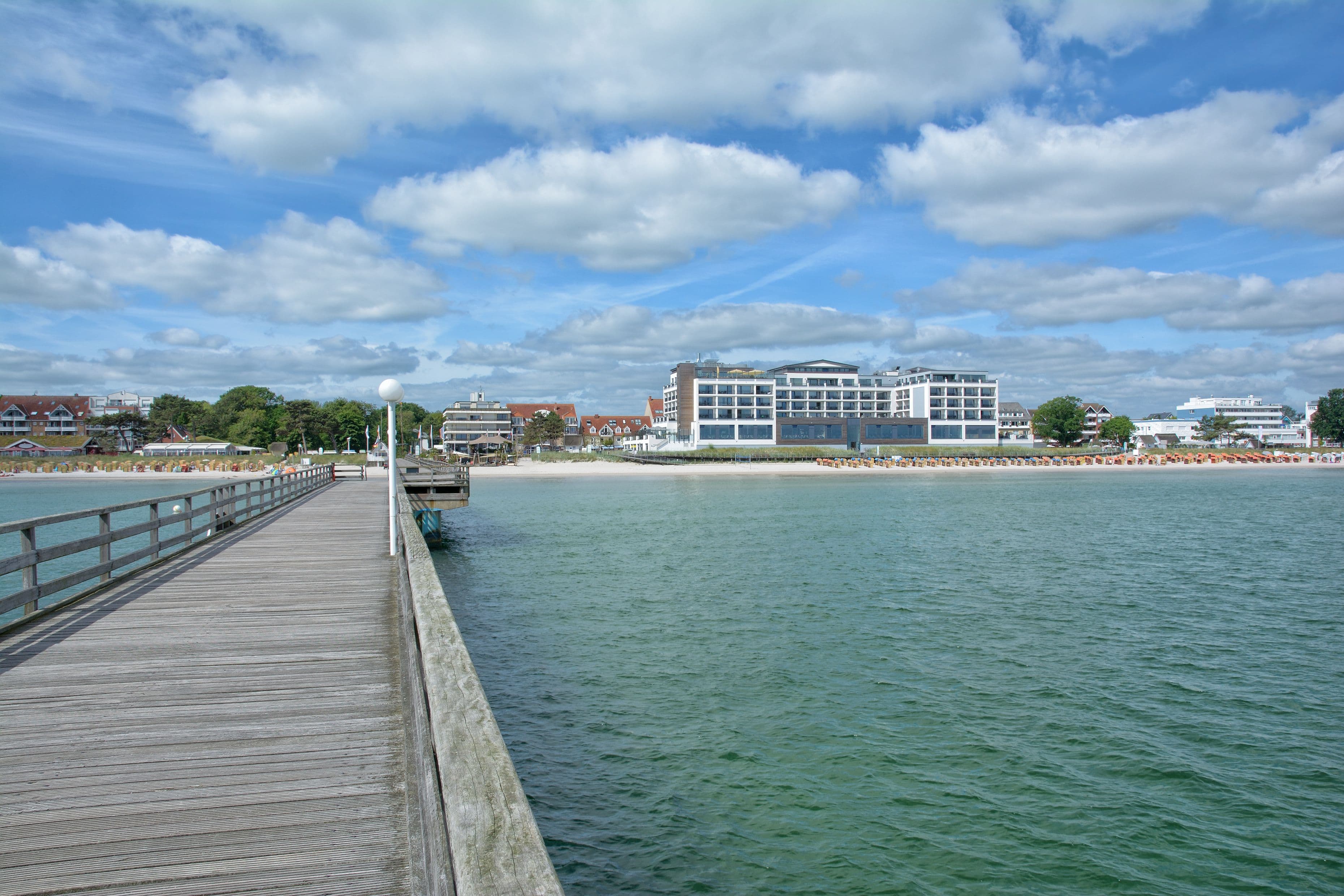

You typed your address into a home value website and got a number. Then you tried a second site and got a different number, sometimes hundreds of thousands of dollars apart. If you own on or near Geneva Lake, that gap is not a glitch. Lake Geneva home values are set by things most algorithms cannot see: feet of frontage, the slope of your lot, your pier rights, and sales that never hit the open market.
By the end of this guide, you will know how lakefront, lake access, and off-water homes around Geneva Lake are actually valued, which valuation tools to trust (and when), and a step-by-step process to get a number you can make real decisions with.
Lake Geneva Home Values in 2026: The Big Picture
Start with the broad market, then narrow down to your property.
Citywide: According to Redfin's Lake Geneva housing market data, the median sale price in the city of Lake Geneva was about $409,000 over the three months ending May 2026, up 8.4% from a year earlier. Homes went under contract in about 40 days, down from 75 days the year before.
Statewide: The Wisconsin REALTORS Association July 2026 report put the Wisconsin median home price at $360,000, up 6.8% year over year.
The lakefront: This is where citywide medians stop being useful. In June 2025, The Real Deal reported a $20 million sale on Lackey Lane with 500 feet of level frontage on the south shore. Local brokers quoted in that story estimated that about 70% of lakefront deals are never formally listed, and that annual lakefront sales had dropped to roughly half of the old pace of 12 to 18 per year.
That last point matters more than any median. When only a handful of true lakefront homes sell each year, and most of those sell quietly, there is very little public data to price from. That is exactly why online estimates struggle here.
Why Online Home Value Estimates Miss on Geneva Lake
Automated estimates work best where lots of similar homes sell often. Geneva Lake is the opposite. No two stretches of shoreline are alike, and the best sales often never show up in public listing data.
Zillow is open about the limits. Its own Zestimate accuracy page reports a national median error of 7.0% for homes that are not listed for sale. That means half of all off-market estimates miss by more than 7%.
On a $900,000 lake access home, a 7% miss is $63,000. On a $4 million lakefront estate, it is $280,000. And that is the national median, not a worst case for a thin, unusual market like this one.
What the algorithm usually cannot see:
- Your exact feet of frontage and whether the lot is level or elevated
- Your pier size, boat slip count, and whether the pier is grandfathered
- Whether the home is worth more as a teardown than as a house
- Deeded boat slips or lake rights tied to an off-water home
- Private sales between agents that never reached the MLS
How Lakefront Values Are Actually Calculated
For true Geneva Lake frontage, experienced local pricing starts with the land, not the house. The shoreline is the scarce asset. The house on it can be renovated, expanded, or replaced.
At a basic level, lakefront value is built like this: the value of your frontage, plus the contributory value of the home, minus the cost of anything that needs fixing or replacing. Our intelligent approach to pricing lakefront homes on Lake Geneva walks through a full worked model with frontage, elevation, and build-cost adjustments.
What "Price Per Foot of Frontage" Really Means
Geneva Lake price per foot of frontage is the sale price divided by the length of shoreline the property owns. It is the most common shorthand buyers and brokers use to compare lakefront sales.
Here is a quick example using public numbers. The Lackey Lane sale works out to $20,000,000 divided by 500 feet, or about $40,000 per front foot. A vacant 123-foot lot near downtown, listed at just under $6.8 million in that same Real Deal report, was asking roughly $55,300 per foot.
Notice the problem. A smaller lot close to town was asking more per foot than a large south shore estate. Per-foot averages blend very different shorelines together, so treat any single "average price per foot" as a starting point, never a final answer.
7 Factors That Move a Lakefront Valuation
- Feet of frontage. More shoreline usually means more value, but not in a straight line. Many buyers want privacy and a good pier, not the most feet possible, so each additional foot past a certain point tends to add less.
- Level vs. elevated lot. A flat, lake-level lot with easy water access typically commands more than a bluff lot that needs stairs or a lift. Our lakefront pricing guide models elevated frontage at a 10% to 20% discount to comparable level frontage.
- Shoreline location and street. The south shore, west end near Fontana, north shore near Williams Bay, and east end near downtown each draw different buyers. Even neighboring streets can carry very different price ceilings.
- Pier and boat slip rights. Under Wisconsin DNR pier rules, new piers on non-commercial lots are generally allowed two boat slips for the first 50 feet of shoreline and one more for each additional full 50 feet. The DNR also notes that most existing piers first placed before April 17, 2012 are grandfathered. A larger grandfathered pier can be a real value point, so document it.
- Teardown potential. With so little lakefront available, buyers sometimes pay top dollar for the land and remove the house. The Real Deal reported one seller turning down an offer $5 million higher from a buyer who planned to tear the home down. If your home is dated, the land value may set the floor.
- Buildability and shoreland rules. Setbacks, zoning, and lot size limit what a buyer can build. A lot that allows a larger new home can be worth more than a bigger lot with tighter limits.
- The Shore Path. Every lakefront property sits along the public Geneva Lake Shore Path, which At The Lake Magazine measured at 21.9 miles. It is a well-known part of lake ownership. How the path crosses your lot, and how much summer foot traffic it sees, can shape buyer impressions.
Lake Access and Off-Water Homes: A Different Formula
Most homes around Geneva Lake do not have frontage, and they are valued differently. Here, comparable sales in the same subdivision or association usually lead the analysis.
The biggest swing factor is lake rights. According to the same Real Deal report, buyers priced out of the lakefront pushed up values in nearby lake access neighborhoods, and one local broker said the price of a boat slip at Abbey Harbor had quadrupled.
Questions that change an off-water valuation:
- Does the home include a deeded boat slip, or just association beach access?
- Can the slip be sold separately, or does it transfer only with the house?
- What are the association dues, and what do they cover?
- Does the association or municipality restrict short-term rentals?
A deeded slip in a strong association can separate two otherwise similar homes by a meaningful amount. If you have one, bring the paperwork to any valuation conversation.
If you want a number built on these local details instead of an algorithm, you can request a free home valuation from Legendary Real Estate Services.
Pros and Cons of Each Home Valuation Method
Every method answers a slightly different question. Use them together, not alone.
Online Estimates (Zillow, Redfin, Bank Tools)
Pros: Free, instant, and useful for tracking the general direction of the market over time.
Cons: Cannot see frontage, pier rights, condition, or off-market sales. Zillow's own reported off-market median error is 7.0%, and unique lake properties are harder to model than typical homes.
Your Property Tax Assessment
Pros: Public, based on local assessor data, and your Wisconsin tax bill shows an estimated fair market value.
Cons: It is a tax tool, not a pricing tool. The Wisconsin Department of Revenue's Guide for Property Owners explains that each municipality only has to be assessed within 10% of market value once every five years. In a market that moved quickly, your assessment can lag well behind.
Comparative Market Analysis (CMA) From a Local Broker
Pros: Free, grounded in recent local sales, and a lakefront-focused broker can factor in off-market sales, frontage, slope, and pier details.
Cons: Quality depends entirely on the broker's local knowledge. An agent who rarely handles lakefront homes may lean on the wrong comparables.
Independent Appraisal
Pros: Formal, written, and required by most lenders. Useful for estate planning, divorce, or tax matters.
Cons: It costs money, and appraisers are limited to documented sales. With few public lakefront sales, an appraisal can land below what the private market would actually pay.
How to Get an Accurate Number for Your Lake Geneva Home: 6 Steps
Use this process whether you plan to sell next month or just want to know where you stand.
- Pull your latest tax bill. Note the assessed value, the estimated fair market value, and the assessment year. This is your baseline, not your answer.
- Gather your property documents. Find your survey or plat showing exact feet of frontage, your deed, any pier permit or grandfathering records, and deeded slip or association paperwork if you are off the water.
- List every improvement with dates. Roof, windows, HVAC, kitchens, baths, seawall or shoreline work, pier replacement, and boat lifts. Include rough costs if you have receipts.
- Identify your property type. True frontage, lake access with a deeded slip, lake access with association beach rights only, or off-water. Each one uses different comparables.
- Review closed sales, not asking prices. For off-water homes, focus on the last 6 to 12 months in your subdivision. For lakefront, you may need to look back several years and adjust for market changes, because so few sell.
- Get a broker opinion from someone who sells on the lake. Ask how many lakefront or lake access sales they have handled, which sales they used as comparables, and whether any were off-market. If you are refinancing, settling an estate, or expect a dispute, add an independent appraisal.
Two Illustrative Scenarios
These are hypothetical examples to show how the math plays out. They are not specific client transactions.
Scenario 1: The lakefront owner who trusted the algorithm. Consider an owner with 100 feet of elevated frontage whose online estimate reads $4 million. A 7% miss in either direction is a $280,000 swing. Now suppose a pricing analysis values that frontage at $40,000 per foot, the level-lot figure from the Lackey Lane sale, for $4 million in land value. A 15% adjustment for the elevated lot brings the land figure to $3.4 million, a $600,000 difference before the house is even considered. Getting that adjustment right before listing is the difference between a quick sale and months of price cuts.
Scenario 2: The off-water owner with a deeded slip. Consider two similar three-bedroom homes in the same lake access neighborhood. Only one includes a deeded boat slip. An online tool may value them almost the same, because the slip is not in the public data. A local broker would price the slip separately using recent slip and home sales in that association. If the owner never mentions the slip, it may never make it into the price.
Frequently Asked Questions
How much is my lake house worth on Geneva Lake?
It depends mostly on your frontage, lot slope, shoreline location, and pier rights. Lakefront homes are usually priced land first, using price per foot of frontage from recent sales, then adjusted for the home's condition. Because roughly 70% of lakefront deals reportedly never hit the open market, public data is thin. A valuation from someone who tracks private lake sales is usually more reliable than an online estimate.
What is the price per foot of frontage on Geneva Lake?
There is no single number. Price per foot is the sale price divided by feet of shoreline, and it varies widely by location and lot type. Using public figures, the $20 million Lackey Lane sale with 500 feet of frontage works out to about $40,000 per foot, while a 123-foot vacant lot was listed at roughly $55,300 per foot.
Is my Walworth County tax assessment the same as market value?
No. Your assessment is used to split the local tax burden, not to price a sale. Wisconsin requires each municipality to be assessed within 10% of market value only once every five years, so assessments can lag behind a rising market. Your tax bill shows an estimated fair market value, which is a useful baseline but not a listing price.
How accurate is Zillow for Lake Geneva homes?
Zillow reports a national median error of 7.0% for homes not listed for sale. Accuracy tends to be lower for unique properties and thin markets. Lakefront homes on Geneva Lake have few public sales, differ widely in frontage and slope, and often sell privately. Treat an online estimate as a rough trend indicator, not a price.
Does a boat slip add value to an off-water home?
Often, yes. A deeded boat slip gives lake access that off-water buyers compete for, and a local broker told The Real Deal that one Abbey Harbor slip had quadrupled in price. The value depends on whether the slip is deeded, whether it can transfer separately, and the association's rules and dues.
The Bottom Line on Lake Geneva Home Values
Lake Geneva home values do not follow the same rules as a typical suburb. On the lakefront, your land and shoreline drive most of the price. Off the water, lake rights and association details can swing value more than square footage. Online estimates and tax assessments give you a rough baseline, but the real number comes from local sales data, including the private sales algorithms never see.
When you are ready for a number built on your frontage, your pier, and your neighborhood, request your free Lake Geneva home valuation. Questions first? Contact Legendary Real Estate Services or call (262) 204-5534.

About Jade Goodhue
Expert real estate agent specializing in Lake Geneva and surrounding areas. Helping families find their dream homes with personalized service and local market expertise.
Contact Jade Goodhue