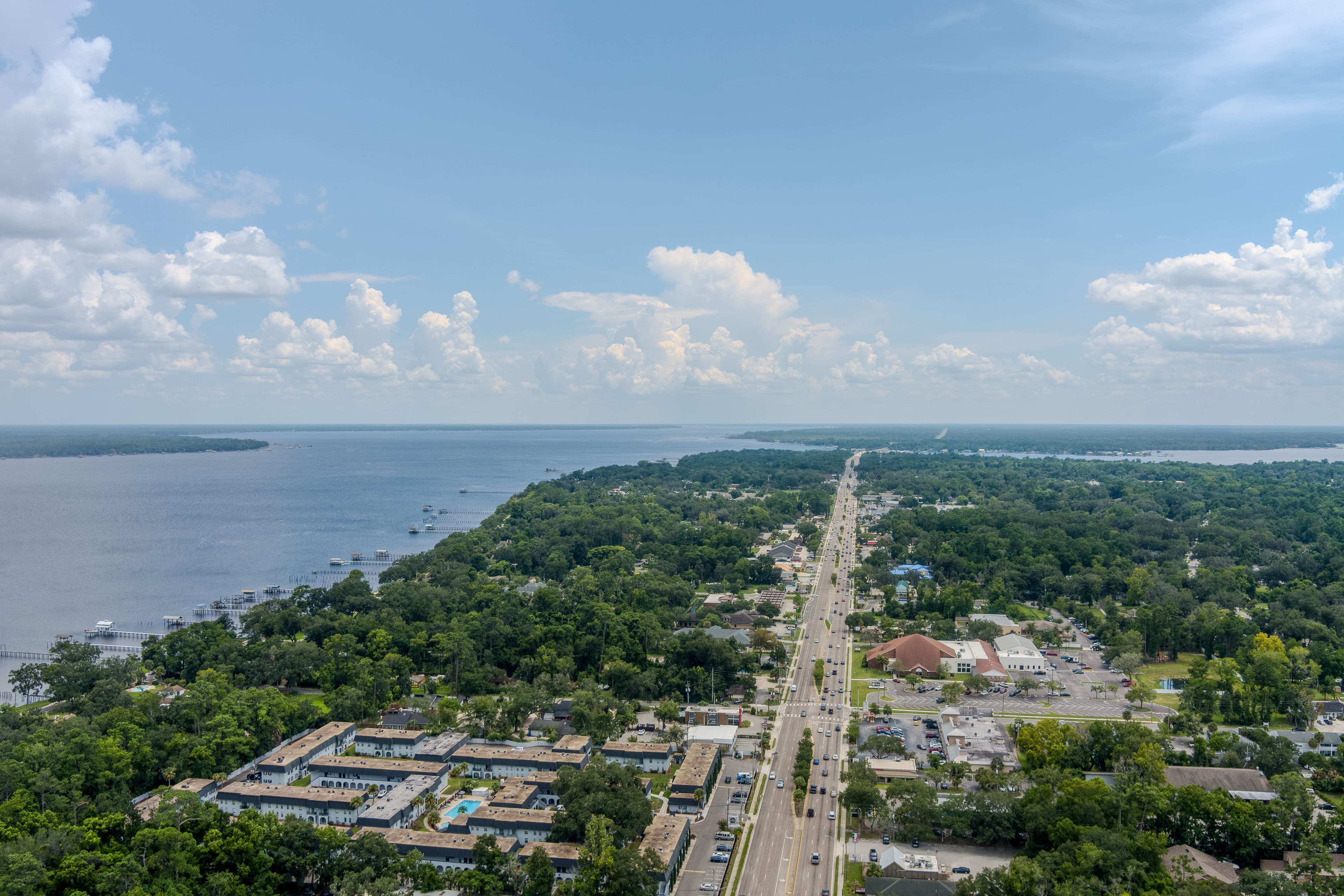

Buying a luxury home on Geneva Lake is an investment in a lifestyle defined by the water. Yet navigating the complexities of water access can quickly turn a dream purchase into a confusing legal maze. You're not just buying a view. You're buying a specific set of rights tied to that shoreline.
Understanding riparian rights is the key to unlocking the true value of your lakefront property. Whether you envision a private pier for your boat, a quiet slip in a community dock, or simply the ability to swim from your backyard, knowing the rules before you buy is essential. This guide breaks down the essential facts about riparian rights, pier regulations, and water access on Geneva Lake, empowering you to make a confident and informed decision.
What are riparian rights on Geneva Lake ?
In Wisconsin, riparian rights are the property interests that come with owning land that directly touches a navigable body of water like Geneva Lake. These rights are fundamental to the lakefront lifestyle, but they're not absolute.
The core principle governing riparian rights is "reasonable use." This means you have the right to access the water, use it for recreation, and potentially place a pier. However, your use must not unreasonably interfere with the rights of your neighbors or the public's right to navigate the lake. It's a delicate balance between private enjoyment and shared responsibility.
A critical concept to grasp is the Ordinary High Water Mark, or OHWM. This legal boundary separates your private upland property from the submerged lands held in trust by the State of Wisconsin. You own the land up to the OHWM, but the state controls the lakebed below it. This distinction is vital when planning any shoreline modifications or pier installations. According to the Wisconsin Department of Natural Resources, understanding the OHWM is essential for all waterfront property owners navigating permit requirements.
The Three Tiers of Geneva Lake Water Access
Not all "lake access" is created equal. The type of access your property has directly impacts your lifestyle, your responsibilities, and the property's overall value. Understanding these distinctions is crucial for aligning your expectations with reality.
True Waterfront: The Premium Experience
True waterfront property is the pinnacle of the Geneva Lake lifestyle. Your property boundary extends to the OHWM, granting you direct, private access to the water. This is the only scenario where you typically have the right to install a private pier, subject to state and local regulations.
While true waterfront offers maximum convenience and the highest resale value, it also comes with the greatest responsibility. You're subject to strict zoning laws, permit requirements for any shoreline work, and higher property taxes. Additionally, the historic Geneva Lake Shore Path crosses many true waterfront properties, which can impact privacy and fencing options. If you're exploring which neighborhoods offer the best waterfront experiences, our comprehensive guide on Lake Geneva Waterfront Neighborhoods for 2026 breaks down each premium location and what makes them unique.
Deeded Access: Shared Enjoyment
Properties with deeded access don't directly touch the lake. Instead, the deed includes a recorded right to use a specific access point, often a narrow strip of land or a shared path. This provides a legal route to the water without the premium price tag of true waterfront.
However, deeded access comes with significant limitations. These access points are usually shared with other owners and often prohibit private docks or boat lifts. Parking and trailer access may also be restricted. It's an excellent option for those who want to enjoy the lake occasionally but don't require the convenience of a private pier.
Association Lake Rights | Community Amenities
Association lake rights provide access through a homeowners or condominium association. This often includes shared amenities like a community beach, a shared dock, or assigned boat slips. The association handles maintenance and enforces rules, offering a more predictable, managed experience.
\
The trade-off is a lack of total control. You'll be subject to HOA dues, potential special assessments, and strict rules regarding boat size, guest access, and slip assignments. Waitlists for boat slips are common in many Geneva Lake associations, so it's crucial to verify availability before purchasing.
Navigating Pier Regulations and Boat Slips
The ability to dock a boat is a primary driver of value on Geneva Lake. However, installing a pier or securing a boat slip involves navigating a complex web of regulations.
The Wisconsin Department of Natural Resources, or DNR, oversees all structures in navigable waters. While small, seasonal piers may qualify for general permits, larger or more complex structures often require individual DNR approval. According to Wisconsin riparian law, the state recognizes that riparian owners hold specific rights to use water next to their property, but these rights are always subject to public trust doctrine principles.
Beyond the state level, local municipalities including the City of Lake Geneva, Fontana, Williams Bay, and the Towns of Linn and Geneva enforce their own pier ordinances.
These local rules dictate critical details like maximum pier length and width, the allowed number of boat slips (often capped between 3 and 10 depending on location and frontage), setbacks from neighboring property lines, and requirements for annual docking permits. Walworth County Land Use and Resource Management provides specific zoning requirements that vary by municipality, so it's important to check your exact location before planning any waterfront improvements.
Before making an offer on a property, always verify the permit history of any existing pier or shoreline structure. Unpermitted work can lead to costly fines and forced removal.
Essential Due Diligence for Buyers
Protecting your investment requires thorough due diligence. Don't rely solely on listing descriptions. Verify the facts independently.
Start by obtaining a recent survey that clearly marks the OHWM, the property lines, and the location of the Shore Path if applicable. Review the deed to confirm the exact nature of the water access rights. If the property involves an association, scrutinize the bylaws, fee schedules, and slip assignment policies.
Finally, consult with a real estate attorney experienced in Wisconsin riparian law. They can help you interpret complex easements, verify permit compliance, and ensure your rights are protected.
Connecting Your Waterfront Investment to the Broader Lake Geneva Lifestyle
When you understand your riparian rights, you're better positioned to appreciate the full scope of Lake Geneva living. For market insights and trends that help contextualize your investment within the broader 2026 real estate landscape, check out Exploring Lake Geneva Waterfront Wonders 2026. This resource provides valuable context on how waterfront properties are performing and what buyers are looking for this year.
Frequently Asked Questions
What exactly are riparian rights?
Riparian rights are the legal privileges granted to owners of land bordering a navigable waterway. In Wisconsin, these include reasonable access to the water for swimming, boating, and potentially placing a pier, subject to state and local regulations.
Can I build a private pier on any Geneva Lake property?
No. Generally, only true waterfront properties (where the land touches the Ordinary High Water Mark) have the potential for a private pier. Even then, you must comply with strict DNR and local municipal regulations regarding size, placement, and the number of slips.
What is the difference between waterfront and deeded access?
Waterfront property directly touches the lake, offering private access and the potential for a personal pier. Deeded access means the property doesn't touch the water, but the owner has a legal right to use a specific, often shared path or strip of land to reach the lake, usually without the right to build a private dock.
How does the Geneva Lake Shore Path affect my property rights?
The historic Shore Path runs along much of the lake's perimeter, often crossing private waterfront property. While it doesn't negate your riparian rights, it provides public pedestrian access across your land, which can impact your privacy and limit your ability to build fences or structures near the water's edge.
What permits do I need for a dock or boathouse?
Most shoreline structures require approval from both the Wisconsin DNR and your local municipality. Small seasonal piers may qualify for general permits, while larger structures typically require individual DNR permits. Local ordinances in Lake Geneva, Fontana, Williams Bay, and surrounding towns add additional requirements, so always check with your specific jurisdiction.
What happens if I build a pier without permits?
Unpermitted structures can result in costly fines, forced removal, and legal disputes with neighbors or the DNR. In some cases, you may be required to restore the shoreline to its original condition, adding significant expense. Always obtain permits before beginning any waterfront work.

About Jade Goodhue
Expert real estate agent specializing in Lake Geneva and surrounding areas. Helping families find their dream homes with personalized service and local market expertise.
Contact Jade Goodhue