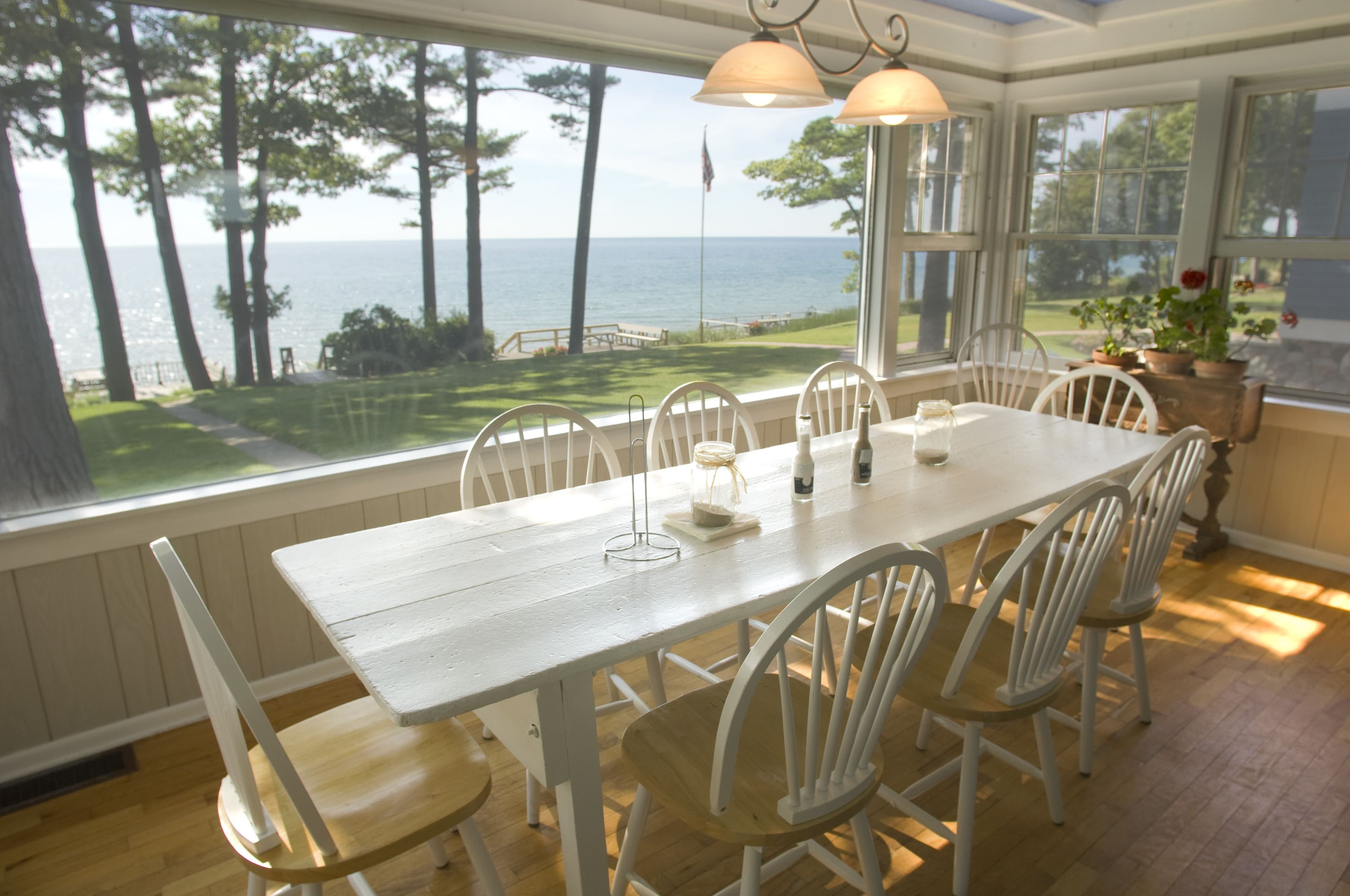

Most people buying a lake house in Wisconsin fall in love with the view first and learn the rules second. That order gets expensive. The dock you pictured may need a permit, the lakeside porch you planned may sit inside a setback, and the well may never have been tested.
This roadmap flips the order. By the end, you will know how to choose the right lake, finance a second home, read the shoreland rules, and write an offer that protects you on the water.
What Makes Buying a Lake House in Wisconsin Different?
A Wisconsin lake house comes with rules a regular home does not. State shoreland zoning sets a 75-foot building setback from the water, a 35-foot vegetative buffer, and limits on piers and boat slips. Many lake homes also run on private wells and septic. Verify all of it before you commit.
Choice is not the problem. Wisconsin has roughly 15,000 lakes, but according to the Wisconsin DNR, only about 2,000 of them are larger than 50 acres. If you want real boating, that narrows the field fast.
The 7-Step Wisconsin Lake House Buying Roadmap
Use this as your how to buy a lakefront home checklist, in this order.
- Pick the lake before the house. Decide how you will use the water: skiing and wake boating, sailing, fishing, or quiet paddling. Lake size, depth, public launches, and any lake association rules shape your lifestyle more than the floor plan does. Visit on a July Saturday and again on a weekday.
- Line up second-home financing early. Under Fannie Mae's August 2026 Eligibility Matrix, a second home purchase can be financed up to 90% of value, which means at least 10% down. Loans above the FHFA's 2026 baseline conforming limit of $832,750 are jumbo loans with their own lender rules. Get pre-approved for the right loan type, not just a number.
- Read the shoreland rules for that parcel. Wisconsin's shoreland program requires buildings to sit at least 75 feet from the ordinary high water mark. Tree and shrub clearing inside the first 35 feet is limited, with a viewing corridor capped at 30% of frontage or 200 feet. Counties can add stricter rules, so call the county zoning office with the parcel number.
- Confirm pier and slip rights. In most cases, a pier is exempt from a DNR permit if it stays within size limits and holds no more than two boat slips for the first 50 feet of frontage, plus one for each additional 50 feet, as Reinhart Boerner Van Deuren explains. A pier that is bigger than that may need grandfathered status or a permit. Ask the seller for proof.
- Inspect beyond the house. Walk the shoreline, seawall, and pier with your inspector, then work through our waterfront home inspection checklist. The Wisconsin DNR recommends testing private wells for bacteria and nitrate once a year, so order both before closing. Check flood risk too: Redfin's climate data shows about 11% of Walworth County properties at risk of severe flooding over the next 30 years.
- Price the frontage, not just the square footage. Two homes with the same square footage can differ by hundreds of thousands of dollars based on feet of frontage, water depth at the pier, sun exposure, and slope to the shore. For context, the county-wide median listing price was about $280 per square foot in June 2026, per Realtor.com data on FRED. Lakefront pricing depends on the specific lake and frontage, so ask for comparable sales on the same lake.
- Write a waterfront-specific offer. Add contingencies for the well and septic results, a survey showing the ordinary high water mark, and written confirmation of pier status. Ask for any association bylaws and shore-path obligations before you remove contingencies.
Want help applying these steps to a real listing? Browse current Lake Geneva homes for sale and ask our team to pull the shoreland and pier details on any property that catches your eye.
An Illustrative First-Time Lake House Buyer Scenario
Consider a couple from Chicago's suburbs, first time lake house buyers, eyeing a $1.2 million lake home.
With 10% down ($120,000), their loan would be $1,080,000. That sits $247,250 above the 2026 baseline conforming limit, so they would be shopping jumbo terms. Even at 20% down, the $960,000 loan stays above the limit. To keep a conforming loan, they would need to put down $367,250, about 31% of the price.
Their inspection period brings a second surprise. The screened porch they planned near the water falls inside the 75-foot setback. Because they learned this before closing, they negotiate price instead of discovering it after the fact.
Pros and Cons of Owning a Lake House in Wisconsin
Pro: Lifestyle you cannot replicate. Boating, swimming, and sunsets from your own shoreline are the reason people buy.
Pro: Scarce supply. With only about 2,000 Wisconsin lakes over 50 acres, quality frontage on a good lake stays limited.
Pro: Family legacy. Many lake homes pass through generations and become the family's gathering place.
Con: More rules. Setbacks, buffer zones, and pier limits restrict what you can build or change.
Con: Higher carrying costs. Expect pier installation and removal, shoreline upkeep, and possible jumbo financing.
Con: Seasonal rhythm. Winter use depends on road access, heating, and whether the home is truly four-season.
Where to Start on Geneva Lake
Geneva Lake adds one tradition buyers should know about. A public shore path crosses the lake-facing lawns of lakefront homes. Visit Lake Geneva notes the shoreline is about 21 miles while the path runs close to 26. Many owners love it. Some buyers do not. Know which you are.
To see which Geneva Lake communities fit your lifestyle, read our guide to the best places to live for waterfront luxury.
Your Next Step
Buying a lake house in Wisconsin rewards buyers who do the homework first: pick the lake, match the loan, verify setbacks and pier rights, and test the water. Do that, and the view you fell in love with comes without surprises.
When you are ready, browse current Lake Geneva homes for sale and let our team walk you through the rules on any lakefront listing.
Frequently Asked Questions
How much do you need to put down on a lake house in Wisconsin?
If the lake house is a second home financed through a conventional loan that meets Fannie Mae guidelines, the maximum loan is 90% of value, so at least 10% down. Loans above the 2026 baseline conforming limit of $832,750 are jumbo loans, and jumbo lenders set their own down payment and reserve requirements.
How close to the water can you build on a Wisconsin lake?
Wisconsin's shoreland rules require a 75-foot setback from the ordinary high water mark for buildings and structures. Where neighboring homes already sit closer, the setback can be averaged, but never below 35 feet. Counties may adopt stricter standards, so confirm with the county zoning office before planning any addition.
Do I need a permit for a pier on a Wisconsin lake?
Often no. A pier is generally exempt from a DNR permit if it meets width and length limits and has no more than two boat slips for the first 50 feet of shoreline, plus one slip per additional 50 feet. Larger piers may need grandfathered status or an individual permit.
Should I test the well before buying a lake house?
Yes. The Wisconsin DNR recommends testing private wells for bacteria and nitrate once a year and for arsenic at least once. Buyers should order these tests from a state-certified lab during the inspection period and make the offer contingent on acceptable results.
What is the Geneva Lake shore path?
It is a public footpath that circles Geneva Lake, crossing the lake-facing lawns of private homes, association beaches, and parks. The shoreline measures about 21 miles, while the path runs close to 26. Lakefront owners along the route maintain the stretch that crosses their property.

About Jade Goodhue
Expert real estate agent specializing in Lake Geneva and surrounding areas. Helping families find their dream homes with personalized service and local market expertise.
Contact Jade Goodhue