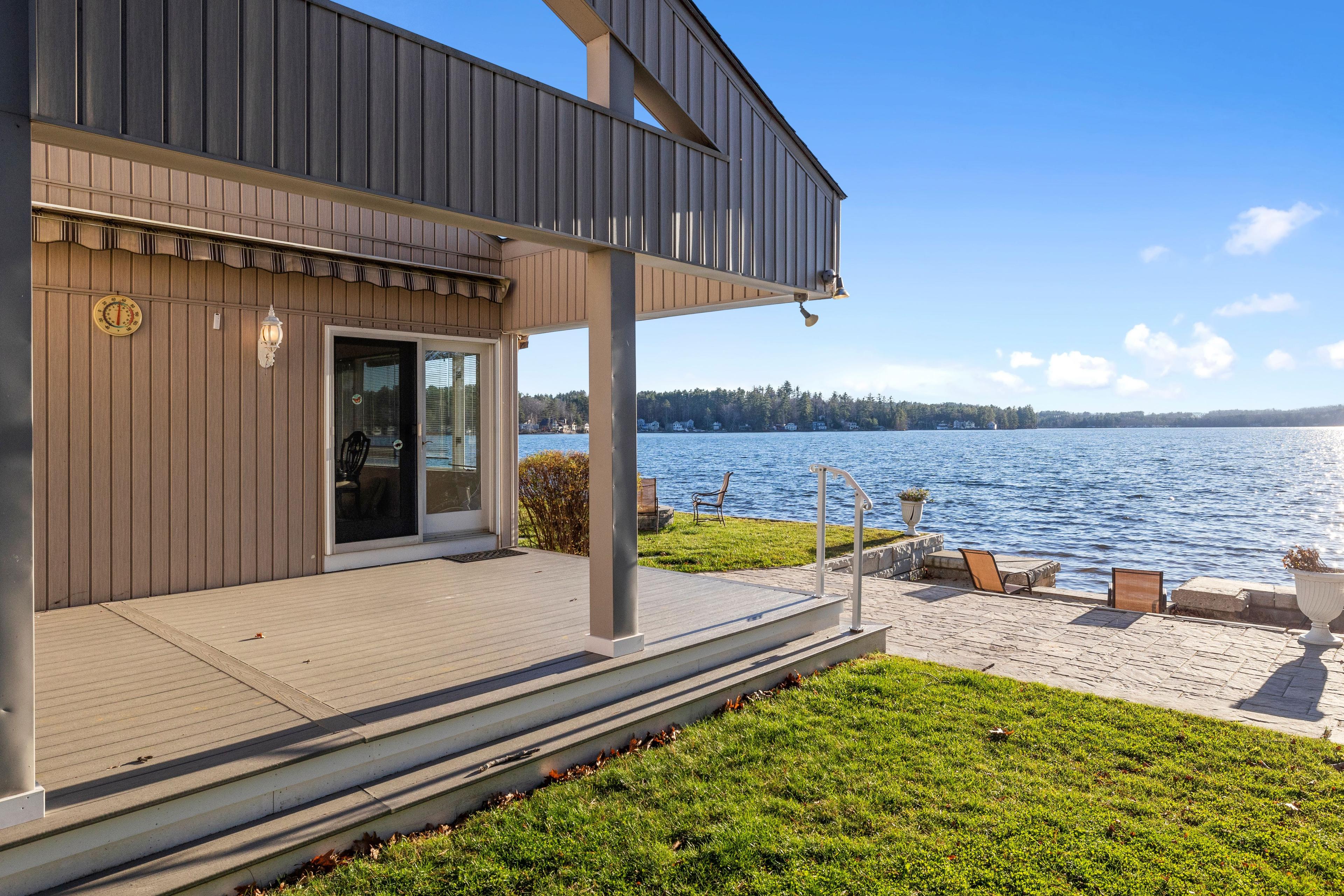

You open the December tax bill on your Geneva Lake cottage and compare it to the bill on your Wisconsin primary home. Same county, similar value, but the lake house costs more. The difference is not a mistake. It comes down to which Wisconsin property tax credits are reserved for a primary residence, and which ones every improved parcel gets.
By the end of this guide you will know exactly which credits a second home loses, which one it keeps, what each is worth, and the steps to avoid a costly paperwork error when you buy or sell.
The Short Answer: Which Credits a Second Home Gets
A Wisconsin second home still receives the First Dollar Credit and the benefit of the School Levy Tax Credit. It does not receive the Lottery and Gaming Credit, and its property taxes do not count toward the income tax credits tied to a "principal dwelling," including the School Property Tax Credit, the Homestead Credit, and the Veterans and Surviving Spouses Property Tax Credit.
The Big One: The Lottery and Gaming Credit
This is the credit most second-home owners notice is missing. According to the Wisconsin Department of Revenue, you must be a Wisconsin resident who owns the home and uses it as your primary residence as of the January 1 certification date. A property owner may claim only one primary residence, and the credit does not apply to vacation homes, rentals, or vacant land.
What is it worth? DOR's Lottery and Gaming Tax Credit report put the average credit for 2024-25 at $206. The pool shrinks and grows with ticket sales. The Legislative Audit Bureau reports the total distributed fell from $365.4 million in FY 2023-24 to $315.2 million in FY 2024-25, with $292.8 million authorized for FY 2025-26.
How the Math Works
The credit equals your school district's tax rate multiplied by a capped "maximum credit value." For December 2025 bills, DOR set that value at $27,000. DOR publishes a new figure every November 20, along with the exact credit amount for each municipality and school district.
The Credit Your Second Home Keeps: The Wisconsin First Dollar Credit
Good news here. The Wisconsin First Dollar Credit goes to every taxable parcel with a real property improvement, such as a house or cottage. DOR confirms the property does not need to be your primary residence, an owner can receive it on more than one property, and it is applied automatically. Vacant lake lots do not qualify, because there is no improvement on them.
It is smaller than the lottery credit. For December 2025 bills, the First Dollar maximum credit value was $9,000, one third of the lottery credit's $27,000 cap. Both use the same school tax rate.
The Income Tax Credits That Skip Second Homes
Three more credits are claimed on your Wisconsin income tax return, and each one applies only to property taxes on your principal dwelling:
- School Property Tax Credit. Under Wis. Stat. 71.07(9), it equals 12% of the first $2,500 of property taxes on your principal dwelling, a maximum of $300.
- Homestead Credit. Per DOR's fact sheet, household income must be under $24,680, and the maximum credit is $1,168. Most lake home buyers will not qualify on income anyway.
- Veterans and Surviving Spouses Property Tax Credit. It equals the property taxes paid on an eligible veteran's principal dwelling in Wisconsin. A second home's taxes do not count.
A Real-World Example on Geneva Lake
Consider an illustrative buyer: a Chicago couple who buy a $1.4 million Geneva Lake home as a weekend retreat. Assume, for easy math, a school tax rate of $8 per $1,000 of value.
Lottery and Gaming Credit: $0. They are Illinois residents, so they do not qualify even before the primary-residence test.
First Dollar Credit: $9,000 x 0.008 = $72, applied automatically.
What a qualifying full-time Wisconsin owner would also see: $27,000 x 0.008 = $216 in lottery credit, plus up to $300 back through the School Property Tax Credit.
Roughly $500 a year is real money, but on a lake home it is a rounding error next to the full tax bill. Our breakdown of Lake Geneva property taxes and homeownership costs shows where the bigger dollars go. The credits matter most when they are claimed wrongly, which leads to the next section.
Should You Make the Lake House Your Primary Residence?
Some owners ask whether to move their legal residence to the lake. Here is the honest trade-off.
Pros
- You become eligible for the Lottery and Gaming Credit and the principal-dwelling income tax credits.
- Your Wisconsin home's taxes count toward the Veterans credit, if you qualify.
Cons
- You must genuinely live there. DOR treats your primary residence as the home you return to, with temporary absences of about six months or less allowed.
- You take on Wisconsin income tax on your income, which for many high earners outweighs a few hundred dollars in credits.
- Your former home state may review the move. Talk with a CPA before changing domicile.
How to Handle the Credits When You Buy or Sell
- Check the bill. Find the "Lottery and Gaming Credit" and "First Dollar Credit" lines on the December bill. A dollar amount means the parcel received it.
- Account for it at closing. DOR notes the credit stays with the property and should be considered when prorating taxes between buyer and seller.
- Buying as a second home? File Form LC-400. If the seller's lottery credit is on the bill, file the removal request with the county treasurer within 30 days.
- Buying as your primary home? Apply. Use DOR's online portal or Form LC-100. Miss the January 31 local deadline, and you can file a late claim with DOR by October 1.
- Verify next December. Confirm the credit appears, or disappears, as it should.
The Bottom Line
The Wisconsin Lottery and Gaming Credit is the main credit a second home does not get, along with the principal-dwelling income tax credits. The First Dollar Credit still applies to any improved parcel. The dollars are modest, but getting the paperwork wrong at closing creates problems later.
If your assessment looks high, our guide to a Walworth County property assessment appeal covers the steps, and our full look at what it really costs to own a lake house puts taxes in context. Thinking about buying on Geneva Lake? Talk with our team before you write an offer, and we will walk you through the real carrying costs.
Frequently Asked Questions
Does a second home in Wisconsin get the lottery credit?
No. The Wisconsin Lottery and Gaming Credit applies only to a dwelling the owner uses as a primary residence on January 1, and the owner must be a Wisconsin resident. A property owner may claim only one primary residence, so vacation homes, cottages, rentals, and vacant land do not qualify.
Does a vacation home get the Wisconsin First Dollar Credit?
Yes, if the parcel has a real property improvement such as a house or cottage. The First Dollar Credit does not require the property to be a primary residence, an owner can receive it on multiple parcels, and it is applied automatically. A vacant lot without a building does not qualify.
Can Illinois residents get Wisconsin property tax credits?
Illinois residents who own Wisconsin property receive the First Dollar Credit on improved parcels and the benefit of the School Levy Tax Credit, which applies to all taxable property. They cannot claim the Lottery and Gaming Credit, which requires Wisconsin residency and primary-residence use as of January 1.
What happens to the lottery credit when a primary home is sold as a second home?
The credit stays with the property for the current tax bill and should be considered when prorating taxes at closing. If the buyer will not use the home as a primary residence, the owner should file Form LC-400, a removal request, with the county treasurer within 30 days.
How much is the Wisconsin lottery credit worth?
It varies by school district and by year. The Wisconsin Department of Revenue reported an average credit of $206 for 2024-25. The amount equals the local school tax rate multiplied by a capped value, which was $27,000 for December 2025 tax bills.

About Jade Goodhue
Expert real estate agent specializing in Lake Geneva and surrounding areas. Helping families find their dream homes with personalized service and local market expertise.
Contact Jade Goodhue