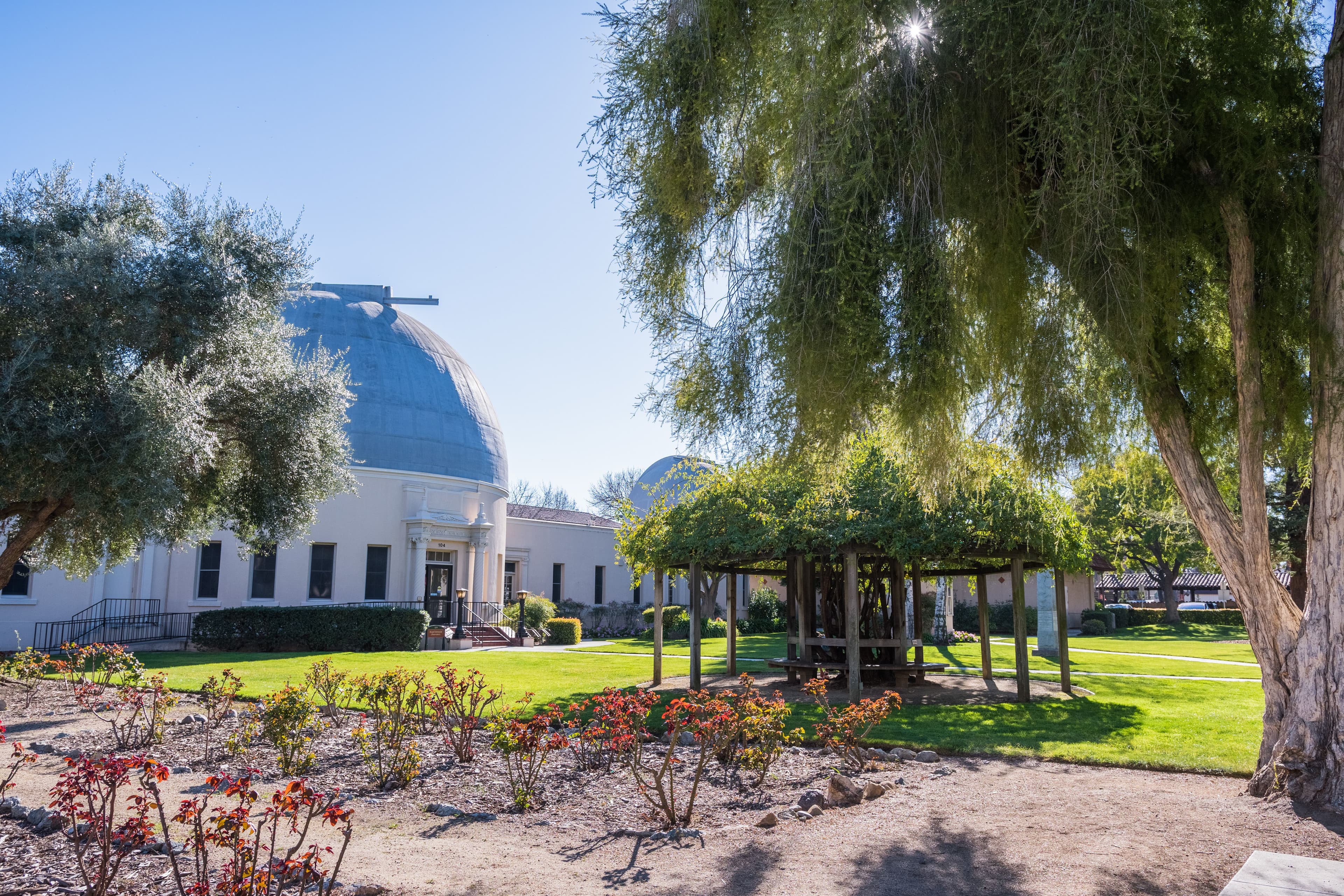

In 2005, a developer planned a resort and up to 100 houses on the grounds of Yerkes Observatory, Williams Bay's best-known landmark. Today those grounds are a protected, restored landmark with free public trails and a $76 million plan behind them. If you own, or want to own, a home in Williams Bay, that turnaround matters more than most buyers realize.
Does the Yerkes Observatory Restoration Raise Williams Bay Property Values?
The Yerkes Observatory restoration supports Williams Bay property values in three ways: it preserves about 48 acres of Olmsted-designed open space, it keeps that land out of developers' hands for good, and it adds a year-round attraction to the village. No study measures Yerkes' exact effect on home prices, but protected open space is a well-documented driver of nearby home values.
Planning a visit instead? The grounds and trails are free from sunrise to sunset, and the building is open by advance ticket only. Our Yerkes Observatory visitor guide covers tours, tickets, history, and parking.
Yerkes Observatory Williams Bay Facts at a Glance
- Location: Williams Bay, Wisconsin, on Geneva Lake, about 90 miles northwest of Chicago
- Grounds: 48 acres, designed by the Olmsted Brothers firm starting in 1906
- Steward: the nonprofit Yerkes Future Foundation, which took over from the University of Chicago in May 2020
- Restoration plan: a $76 million campaign running through 2033
- Williams Bay median sale price: $579,724 in September 2026, up 18.7% year over year
What Does the Yerkes Restoration Include?
Yerkes Observatory was dedicated in 1897 and houses a 40-inch telescope, the largest refractor of its kind ever used. The University of Chicago closed it in 2018 and transferred stewardship of the observatory and its grounds to the Yerkes Future Foundation in May 2020.
The foundation's Grow Beyond Our Galaxy campaign lays out this timeline:
- 2026: A STEAM playground breaks ground and two reflecting telescopes are upgraded.
- 2027: The playground opens.
- 2028: A public stargazing deck opens.
- 2029: An Education and Visitor Center breaks ground.
- 2030: The 40-inch Great Refractor is fully restored.
- 2032: Building restoration is complete, with a $10 million endowment.
- 2033: The campaign reaches its $76 million goal.
The foundation reports that more than 125,000 people have joined tours, programs, and events since Yerkes reopened to the public.
What Happened to the Plan to Develop the Yerkes Land?
In 2005, resort developer Mirbeau Companies proposed an inn, a spa, and up to 100 houses on the Yerkes property. The deal collapsed in 2007 when it became clear the Village of Williams Bay would not rezone the lakefront land for commercial use.
With the Yerkes grounds now in the hands of a preservation nonprofit, the open space beside nearby homes is far less likely to ever become rooftops and traffic.
5 Ways the Yerkes Restoration Supports Williams Bay Home Values
- Protected open space. A passive park is green space used for walking and views rather than sports fields. In a 2001 review of park and property value research that is still widely cited, John Crompton proposed a 20% premium as a starting guideline for homes next to passive parks, with the effect strongest within about 500 feet.
- Tighter supply. With 48 acres near Geneva Lake held by a preservation nonprofit instead of a developer, no new subdivision can add competing inventory there, which helps existing owners.
- A destination with a name. Edwin Hubble studied faint nebulae at Yerkes while earning his PhD, and that history gives Williams Bay listings a story few lake towns can tell.
- Free daily access. The Yerkes arboretum and about four miles of paths are open sunrise to sunset with no ticket, which works like a private park for neighbors.
- Funded, long-term investment. The $76 million campaign and $10 million endowment goal mean the grounds have money behind their upkeep for years to come.
What Do Homes in Williams Bay Cost Right Now?
According to Redfin's Williams Bay housing data, the Williams Bay median sale price in September 2026 was $579,724, up 18.7% year over year. Homes took a median of 81 days to sell (29 days longer than a year earlier) and sold at 98% of list price (down 3.4 points).
Williams Bay prices are up, but buyers are taking more time and negotiating harder. Only 23 homes sold that month, so one luxury sale can swing the median. The Redfin data also does not prove Yerkes caused the gain.
How Do Homes Near Yerkes Compare to the Williams Bay Waterfront?
The Yerkes grounds sit on the shore of Williams Bay itself, so the Observatory District and the Williams Bay waterfront are neighbors, not rivals. Our Williams Bay neighborhood guide estimates Observatory District homes at roughly $450,000 to $850,000, while direct lake frontage starts well above $1.5 million (around $500,000 typically buys near-water homes rather than frontage). These are Legendary's own estimates, so confirm them against current MLS sales.
Lakefront buyers pay for private frontage and pier rights. Buyers near Yerkes get protected green space and lake proximity at a far lower entry point. If you are shopping on the water itself, see what Williams Bay waterfront homes actually cost.
Pros and Cons of Buying Near Yerkes Observatory
Pros
- Protected green views and walking trails next door
- Quiet, historic setting with little risk of new commercial building
- Close to the Williams Bay waterfront and village center
- A recognizable landmark that helps with resale marketing
Cons
- Event nights bring extra traffic and parking on nearby streets
- Homes that directly border the grounds rarely come up for sale, so good ones draw competition
- Construction on the playground and visitor center will run for years
- Older homes in the area may need updates that add to your budget
Is Paying More to Live Near Yerkes Worth It? A Buyer Scenario
In this illustrative example, a Chicago couple is choosing between two Williams Bay homes. Home A sits on a street that backs onto the Yerkes grounds, within about 500 feet of the open space. It is listed at 615,000for2,050squarefeet(300 per square foot). Home B, on a busier road with vacant land behind it, is listed at $590,000 for 2,100 square feet (about $281 per square foot).
Home A costs $25,000 more in total, about 4% above Home B, and about 7% more per square foot. Both gaps are well under Crompton's 20% starting guideline for homes next to passive parks. The couple also knows the open space beside Home A is protected, while the empty lot behind Home B could be built on.
They treat the $25,000 as insurance on resale and choose Home A. If the lot behind Home B later becomes houses and buyers discount Home B by even 5%, that is $29,500, more than the premium paid for Home A. If nothing is built, they still own the home with protected views. It is a judgment call, not a guarantee.
How to Evaluate a Home Near Yerkes Observatory Before You Buy
- Check the event calendar. Evening programs bring extra cars. Yerkes releases new tour tickets every two months, so check the next release to see how busy the coming season looks.
- Measure the distance. Note whether the home is within roughly 500 feet of the Yerkes grounds, where open-space effects tend to be strongest.
- Pull recent comparable sales and parcel records. Ask your agent for MLS sales near Yerkes versus similar homes elsewhere in Williams Bay over the last 12 to 24 months. Check the property's parcel, lot lines, and assessment in Walworth County's land records, and ask the Village of Williams Bay about zoning on any vacant lots nearby.
- Review the foundation's timeline. The playground is slated to open in 2027 and the visitor center to break ground in 2029. If you plan to move in during those years, expect some construction nearby.
- Confirm lake access in writing. If a listing mentions lake access, ask whether it is deeded or through an association, and have it confirmed in the title commitment before closing.
Bottom Line: Why Yerkes Observatory in Williams Bay Matters to Home Values
The Yerkes Observatory restoration turned a development risk into a protected, funded community asset. It does not guarantee higher prices, but for Williams Bay owners it removes the development risk that once hung over nearby homes. For buyers, protected open space beside Yerkes Observatory in Williams Bay is a location new construction cannot copy.
If you are thinking about the move, read what locals want you to know about moving to Williams Bay, then browse current Lake Geneva area homes for sale. Already own near Yerkes? Request a free home valuation to see what your home is worth today.
Frequently Asked Questions
Where is Yerkes Observatory located?
Yerkes Observatory is in the village of Williams Bay, Wisconsin, on the shore of Geneva Lake, about 90 miles northwest of Chicago. The observatory opened in 1897. Its 48-acre grounds were designed by the Olmsted Brothers landscape firm, which began planning them in 1906.
Can you visit Yerkes Observatory?
Yes. The Yerkes arboretum and about four miles of walking trails are open from sunrise to sunset with no ticket required. Going inside the building requires an advance ticket for a scheduled tour or event, and new tickets are released every two months.
Who owns Yerkes Observatory now?
The Yerkes Future Foundation, a nonprofit preservation group, has run Yerkes Observatory since the University of Chicago transferred stewardship of it in May 2020. The university operated it for more than a century before closing it in 2018. The foundation has reopened Yerkes to the public and is running a restoration plan through 2033.
Does living near Yerkes Observatory raise home values?
No study measures Yerkes Observatory's exact effect on Williams Bay home prices. Research on parks and open space, including John Crompton's widely cited 2001 review, finds homes near passive green space often sell for more, with the strongest effect within about 500 feet. The protected Yerkes grounds fit that pattern, but results depend on the individual home.
What is the median home price in Williams Bay, WI?
Redfin reports a Williams Bay median sale price of $579,724 in September 2026, up 18.7% from a year earlier. Homes took a median of 81 days to sell and sold at about 98% of list price. Williams Bay is a small market, so monthly figures can swing with just a few sales.
What happened to the plan to develop the Yerkes land?
In 2005, resort developer Mirbeau Companies proposed an inn, a spa, and up to 100 houses on the Yerkes Observatory property. The developer withdrew in 2007 after it became clear the Village of Williams Bay would not rezone the land for commercial use. The property later went to the Yerkes Future Foundation for preservation.
Do Yerkes events affect traffic on nearby streets?
Some evenings, yes. Ticketed evening programs at Yerkes Observatory draw visitors after dark, and inside access is limited to scheduled tours and events. Before buying near Yerkes, drive the street on an event night to see the real effect on that block.
Do homes near Yerkes Observatory include lake access?
Not automatically. A home near Yerkes Observatory is not necessarily on the water, and lake access in Williams Bay comes in different forms: deeded frontage, a deeded easement, or membership in an association with a shared pier. Each carries different rights and costs. Ask the seller which type applies, and confirm it in the title commitment before closing.

About Jade Goodhue
Expert real estate agent specializing in Lake Geneva and surrounding areas. Helping families find their dream homes with personalized service and local market expertise.
Contact Jade Goodhue